


Optus has completed a live trial of automated Cell Coverage Compensation technology with Nokia, which the companies described as a world-first test on a live 4G and 5G multi-vendor network.
The trial, conducted on Optus's network in Sydney and Brisbane, focused on detecting outages and restoring some mobile coverage without manual intervention. It restored up to 47% of lost coverage footprint and up to 50% of affected mobile connections during planned site outages.
The project centres on software that responds when a cell site goes offline. It detects changes such as cell status shifts, environmental alarms and OSS link supervision alarms, then adjusts nearby network infrastructure to compensate for the disruption.
Optus said the system can identify and address outages within minutes, and in some cases within seconds. That is materially faster than traditional KPI-based monitoring methods, which can take 15 minutes or longer to identify network disruptions.
The work was carried out jointly by teams from Optus and Nokia. Nokia's MantaRay SON solution was used in the trial to automate changes in surrounding cells when an affected site lost service.
How it works
The process begins with the automatic detection of a cell outage. The system then assesses the effect on coverage, identifies neighbouring cells and applies optimisation actions, including remote electrical tilt adjustments. It then monitors KPIs in the affected area and reverses the changes once the outage has been resolved.
The approach is designed to work during both planned and unplanned outages, including disruptions linked to extreme weather, power failures and maintenance activity that can affect service continuity for mobile users.
For operators, the attraction is the potential to reduce the need for manual intervention in the early phase of an outage. By automating part of the response, network teams can act more quickly while preserving resources for broader fault management and restoration work.
Resilience focus
The trial also reflects a wider push among telecoms operators to improve network resilience as mobile services become more central to day-to-day communications. In that context, a system that can detect faults in near real time and make immediate compensating changes to nearby cells could reduce the scale of disruption for customers when a site fails.
The test showed the technology could operate across both 4G and 5G services in a multi-vendor environment. That matters because large mobile networks typically combine equipment and software from more than one supplier, making interoperability a practical issue in any broad deployment.
Optus is now planning a phased rollout over the next six to 12 months. Once introduced more widely, the technology is intended to respond automatically to both planned and unplanned outages across the Optus mobile network.
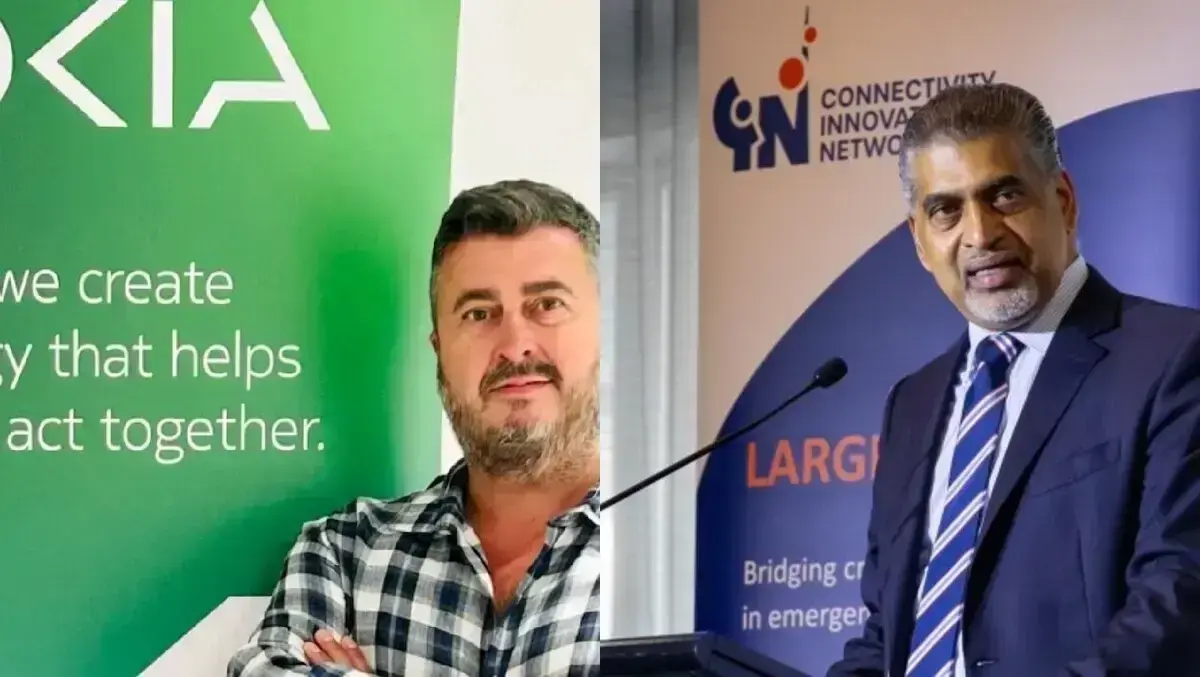
Sri Amirthalingam, Chief Technology Officer, Optus, described the trial as an important step for the company. "Network resilience is fundamental to earning and maintaining our customers' trust. Whether an outage is caused by severe weather, a power disruption or essential network upgrades, our focus is always on reducing the impact on customers and restoring services as quickly as possible. This world-first trial demonstrates how advanced automation can help us do exactly that. By automatically detecting outages and adjusting surrounding network infrastructure in near real time, we can maintain greater coverage, reduce disruption and improve the overall customer experience. It's a significant innovation and an important step in our ongoing commitment to building a more resilient and reliable network for Australians," said Amirthalingam.
Nokia framed the project as an example of collaboration between an operator and a vendor on live network automation. "Working closely with Optus, we've been able to take this capability from concept to live network reality. Together, we've shown how automation can detect and respond to outages in near real time, helping reduce disruption and maintain service continuity for customers. This is a powerful example of how collaboration within a strategic partnership and advanced technology can deliver more resilient networks when it matters most," said Heley.