

.webp)
Concordia Initiative and Maslow Telecom are preparing a national expansion of their community wi-fi model. The plan targets 2,030 premises across 100 remote communities by 2030 and includes development of a low-cost mobile device for people in remote and vulnerable circumstances.
Founder Peter Marchiori has dubbed the rollout the "2030x2030 Project". It follows pilot deployments in Ngalingkadji in Western Australia and at St Kilda Community Housing in Victoria, which the organisations say provided free, reliable internet access to more than 350 people.
The 2030x2030 Project is estimated to cost about AUD $50,000 per community, or roughly AUD $5 million across 100 communities. It replicates the earlier model in Western Australia and St Kilda, focusing on shared connectivity across premises.
Marchiori is also developing a mobile device he describes as affordable and purpose-built for remote and vulnerable Australians. Materials shared by the organisation say the concept involves assembly in Australia and creating jobs in remote communities. The device is intended to reduce reliance on traditional cellular networks and lower barriers to connectivity.
Pilot footprint
In Victoria, Concordia funded and delivered a public housing community wi-fi project across 20 St Kilda Community Housing properties. The installation provided high-speed internet access to about 300 residents who previously had limited or no digital connection. Concordia says residents will save hundreds of dollars a year in data costs.
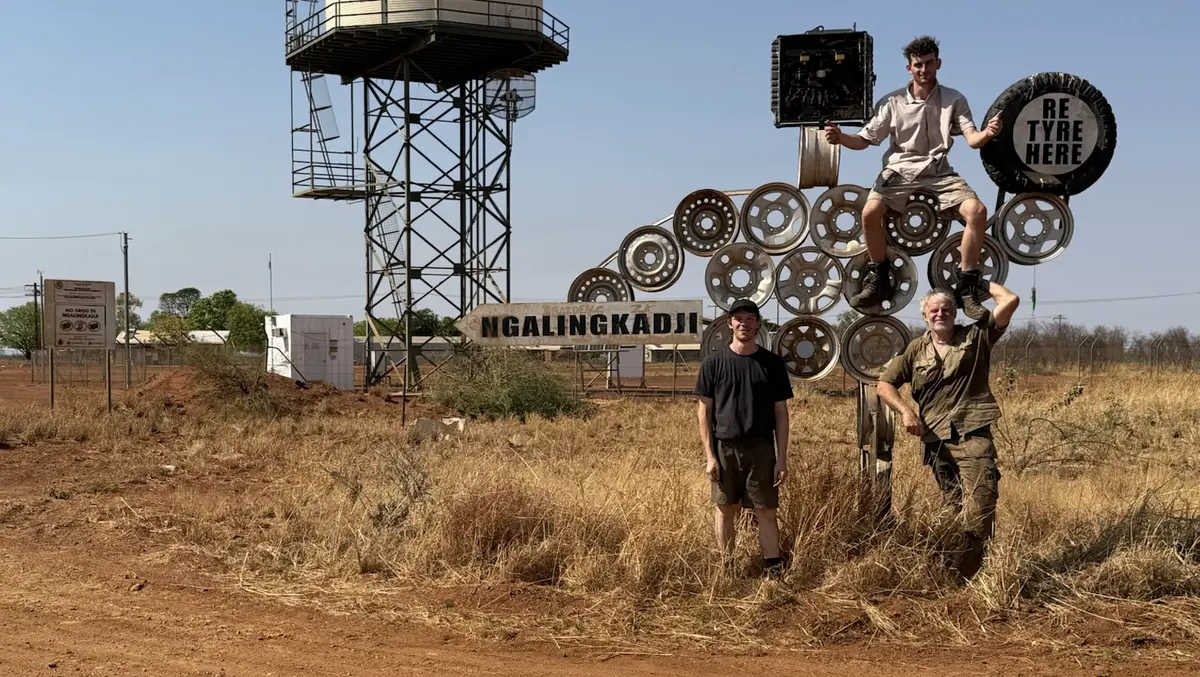
In Western Australia, Concordia delivered and installed high-speed internet in Ngalingkadji, a remote community 55 km south-east of Fitzroy Crossing. According to the organisation, the deployment connected 14 homes, covering about 50 residents. It says the work forms part of its Digital Access Program, which extends mobile and home internet connectivity to remote communities with limited telecommunications infrastructure.
Concordia says its work addresses affordability and coverage gaps. It cites figures showing more than 20% of Australians remain digitally excluded, with higher exclusion rates among First Nations communities, people experiencing homelessness, and public housing residents.
Funding model
Concordia and Maslow Telecom share a founder in Marchiori. The organisations say he has donated more than AUD $500,000 to digital inclusion initiatives since April 2024, funding the wi-fi pilots and a national SIM program.
According to Concordia, the SIM program has distributed more than 3,000 free Maslow Telecom SIMs through 111 partner organisations across Australia, including The Orange Door Network, Mission Australia, The Salvation Army and the Asylum Seeker Resource Centre.
Maslow Telecom operates on the Telstra Wholesale Network and says it donates 100% of profits to digital inclusion programs. It also says it supports more than 1,000 active monthly users on mobile plans with flexible payment options.
Community partners
In the Fitzroy Valley, Marra Worra Worra Aboriginal Corporation has used the SIM program for service delivery work, according to Concordia. The corporation's Kirrayili and Financial Counselling Services Manager, Marcel Sithole, described how restored connectivity affected access to essential services.
"The Concordia Initiative's SIM program has made a significant difference to Marra Worra Worra Aboriginal Corporation's service delivery in the Fitzroy Valley. With many of our clients living in remote communities where phone access is limited or unaffordable, the free SIMs have enabled us to reconnect vulnerable individuals with essential services and support. These SIMs have been critical for things like banking access, government services access and digital literacy support," said Marcel Sithole, Kirrayili and Financial Counselling Services Manager, Marra Worra Worra Aboriginal Corporation.
Sithole also pointed to the program's role after flooding in the region.
"One standout example was being able to assist flood-affected residents in regaining connection after losing belongings post ex tropical cyclone Ellie who otherwise had no means of contact. Their support has helped break down a major digital barrier in our region, fostering real change for families facing financial hardship," said Sithole.
Scaling plans
Marchiori says the pilots show smaller organisations can deliver connectivity projects at lower cost than larger programs, and argues the model can scale with further backing.
"Connectivity is care. Digital access is a human right - not a luxury," said Peter Marchiori, Founder, The Concordia Initiative. "If a small charity can deliver faster, cheaper and more effective solutions than billion-dollar telcos, imagine what we could achieve if more organisations backed this model. Our pilot programs are scalable and we'd love to extend them to more people in need, with backing and support from others."
The next phase will focus on selecting additional remote communities for rollout under the 2030x2030 Project, while continuing design and development work on the proposed mobile device.