


Australian hybrid work divide persists as new laws considered
Tue, 2nd Dec 2025
Australian employers and employees remain divided over the future of hybrid work, as nearly half of Australia's workforce continues to spend part of the week working remotely. Recent research finds that 6.7 million Australians, equating to 46% of employees, work from home at least some of the time.
Debate continues
Employers have shown a strong interest in resuming full office attendance, driven by substantial investments in office property and concerns around productivity, collaboration, and career advancement. However, many staff are resistant to relinquishing the work-life balance achieved during the pandemic.
The pandemic changed workplace expectations, as companies observed that remote teams could deliver results when equipped with appropriate technology. This shift challenges assumptions that productivity requires proximity.
Legislative changes
The hybrid work debate gained further attention following a statement from Victorian Premier Jacinta Allan, whose government intends to introduce legislation that would guarantee the right to work from home for at least two days per week. The legislation would be an Australian-first, formalising remote work as an employee entitlement.
Employer adaptation
Companies utilising a hybrid model aim to capitalise on operational benefits, including lower occupancy rates that can reduce property costs and utility bills. Allowing staff to work remotely also broadens recruitment possibilities, enabling employers to hire from a geographically diverse talent pool.
Organisations hesitant to offer flexible work risk higher turnover, as employees pursue roles with more adaptable arrangements elsewhere. Hybrid work is also seen as a contribution to business continuity, increasing resilience in times of disruption.
Changing workplace design
The focus for many has shifted from the location of work to the quality and suitability of the work environment, whether at home or in the office. Employers are creating office spaces intended as collaborative hubs, while equipping remote staff with tools to maintain productivity and professionalism.
Technology providers are responding by developing devices suitable for both home and office use. Headset manufacturer Yealink highlights the role of professional-grade audio equipment in supporting effective communication across flexible work environments.
Yealink solutions
Yealink's range of headsets and communication devices is now more widely available to Australian consumers, following a retail partnership with Officeworks. Its business-oriented models emphasise comfort, battery life, and adaptability for various work settings.
The BH76 Plus headset features a retractable hidden microphone and interchangeable ear cushions, facilitating quick transitions between professional and casual use. The BH74 provides adjustable active noise cancellation with portable packaging, and the BH70 leverages AI noise reduction for clarity in calls.
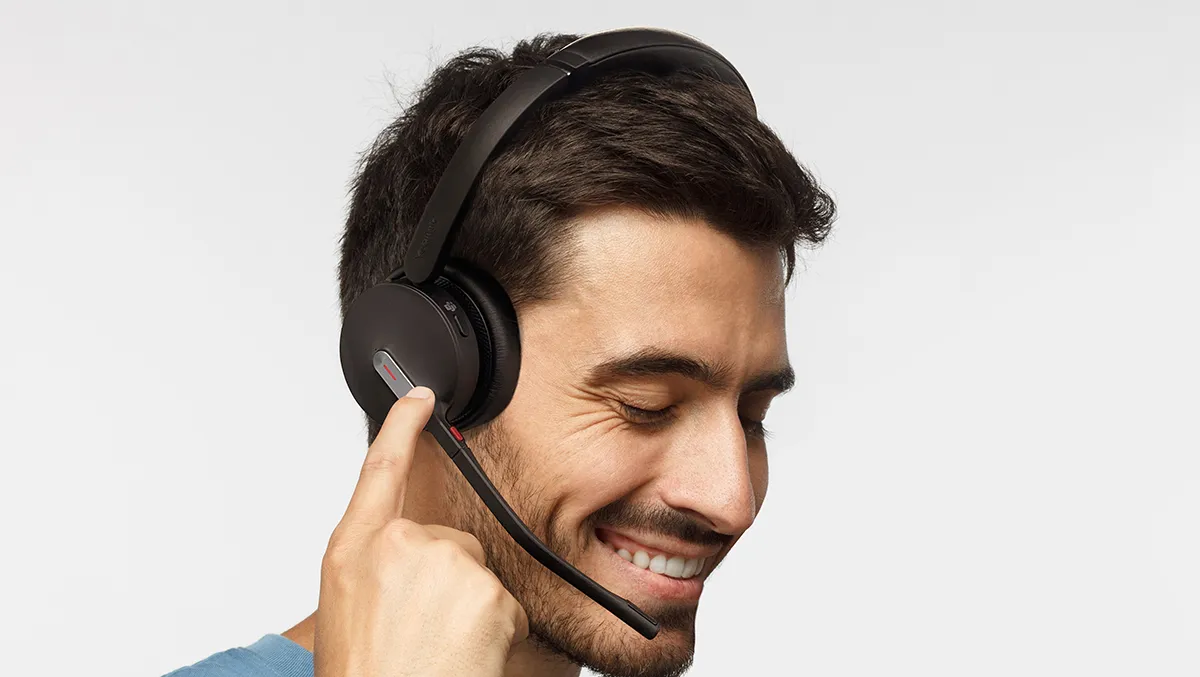
For office-based requirements, Yealink's UH34 and UH35 are certified for use with major collaboration platforms such as Microsoft Teams and Zoom. The WH64 Hybrid model supports both DECT and Bluetooth connections, catering to environments that balance desk-based and mobile work needs.
"Granting employees the freedom to sometimes work from home doesn't mean sacrificing professionalism. When your people have the right tools for the job, the hybrid office can work for everyone." said Yealink spokesperson.