

Australian firms turn to unified security platforms
Tue, 21st Jul 2026
Fortinet has published research showing that Australian organisations are struggling to keep pace with cybersecurity complexity and AI-driven threats. The findings point to a shift towards unified security platforms.
The study, conducted by Forrester Consulting, found that 63 per cent of organisations in Australia cited AI-driven threats as a leading concern. Another 60 per cent pointed to fragmented tools and architectures, as well as the burden of high alert volumes. Nearly half, 49 per cent, said the volume of alerts made it hard to distinguish genuine threats, while 43 per cent still relied on manual workflows in security operations.
The results suggest many organisations are dealing with both internal operational strain and a changing external threat environment. The research also found that 68 per cent were at an intermediate stage of cybersecurity maturity, while only 16 per cent had reached advanced levels.
Operational pressure
Security teams appear to be under pressure from systems that have evolved over time. Tool sprawl, disconnected data, and reliance on manual processes are making it harder for analysts to identify and respond to incidents quickly.
The report suggests this complexity is becoming a cyber risk in its own right, rather than simply an administrative problem. At the same time, businesses continue to invest in cybersecurity and artificial intelligence as they look for ways to improve detection and response.
One of the clearest trends is a move towards consolidated security systems. Only 37 per cent of organisations said they currently operate a unified platform, but that figure is expected to rise to 53 per cent over the next 12 to 24 months.
The main reasons for the shift were reducing the number of tools in use, improving integration across systems, and managing more complex hybrid environments. Some 58 per cent of respondents wanted to reduce tool sprawl, 52 per cent were seeking better integration, and 49 per cent cited growing hybrid complexity.
Platform shift
Despite that direction, businesses still see hurdles in moving to consolidated systems. Some 51 per cent cited migration cost and disruption as barriers, while 46 per cent said they were uncertain how a platform approach would work across different domains.
Even so, expectations for consolidation remain high. The study found that 90 per cent of organisations expected improvements in operational metrics, with more than 60 per cent anticipating gains of at least 10 per cent in areas including detection and response times, analyst productivity, and overall security operations centre efficiency.
Artificial intelligence is also emerging as a central theme in security planning. The findings show 84 per cent of organisations plan to increase AI budgets, and more than half expect double-digit growth in that spending.
More than 60 per cent said they expected AI to improve detection accuracy, speed response, and strengthen their security posture. Respondents also pointed to AI as a way to simplify operations, with 58 per cent expecting more consistent policy enforcement, 57 per cent expecting centralised control, and 56 per cent expecting fewer manual workflows.
Readiness gap
The research suggests, however, that investment plans are running ahead of operational readiness. Fragmented environments, limited automation, and a lack of unified data were identified as factors holding back effective AI adoption.
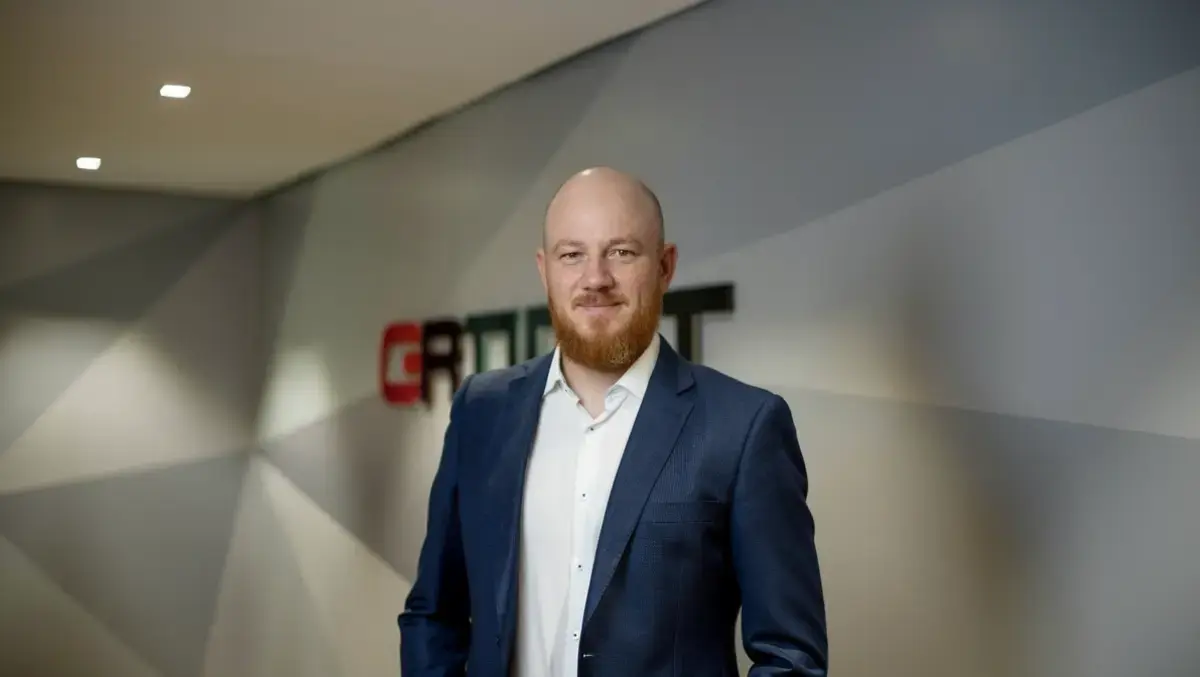
Cornelius Mare, Chief Information Security Officer, Australia, Fortinet, said: "Australian organisations are placing significant expectations on AI to transform security operations, from improving detection to accelerating response. However, AI can only deliver meaningful outcomes when it is built on an integrated foundation. Without unified visibility and connected data across environments, AI risks amplifying complexity rather than reducing it. Integration is what enables AI to operate at scale and deliver real security impact."
The survey covered 585 decision-makers and influencers involved in cybersecurity solutions across Asia Pacific. The Australian findings show a push to simplify security architecture, improve efficiency, and integrate AI into a single environment.
Amelia Lau, Forrester Consulting Project Lead, said: "Organisations across APAC are facing a dual challenge: rapidly evolving AI-driven threats and increasing internal complexity. While investment remains strong, many are still struggling to operationalise security effectively. Moving toward integrated, platform-based approaches will be critical to improving visibility, efficiency, and resilience."
Mare said: "Australian customers are dealing with increasingly complex environments, where fragmented tools, limited visibility, and growing alert volumes are making it harder to detect and respond to threats effectively. At the same time, they are looking to leverage AI to improve speed and efficiency, but often lack the integrated foundation to do so. At Fortinet, we are helping organisations simplify their security architecture and strengthen resilience through a unified, platform-based approach that brings together visibility, automation, and AI-driven intelligence."