Gender equality stories
Avanade Australia says it is committed to promoting gender equality at the workplace and helping employees feel inspired, confident and cared for.
The Workplace Gender Equality Agency (WGEA) recently named Konica Minolta for its dedication to gender equality in the workplace.
New research reveals Australia has not yet made the systemic changes required to achieve diversity in STEM, threatening the nation's prosperity.
Solving gender bias in cybersecurity could add USD $43.1 billion in the US and GBP £17 billion in the UK, reports Tessian.
In honour of International Women's Day, F5 Networks' Jade Meara discusses the importance of valuing soft skills and supporting female leadership in tech.
A Harvey Nash report reveals men now feel more unwelcome in tech workplaces, despite improvements for women over the past year.
Despite some diversity initiatives, women constitute 39% of the labour force and only 25% of management positions worldwide in general.
AI assistants with female voices reinforce harmful gender stereotypes, according to a UN study. Biases in tech could widen the digital skills gap for women.
Annabel Lee says the gender imbalance in data centre and IT circles will have a significant impact in the future with more jobs than graduates to fill them.
Women in cybersecurity discuss challenges from gender pay gaps to toxic workplaces on International Women's Day, urging for a more gender-balanced industry.
After conducting a pay equity analysis, the company uncovered some unexpected findings that resulted in $9.7m of pay rises for underpaid staff.
Not only is there a clear gender disparity in the industry, but Papouchado says the existing workforce is aging.
The book’s release comes as employers worldwide trial shorter weeks, chasing higher productivity and better staff wellbeing.
The company has introduced policies focussed on gender and pay equity and the development of female leadership.
Kiwibank chief executive Steve Jurkovich said fairness was an important attribute for the New Zealand-owned bank.
Flexible work could cut New Zealand’s CO2 emissions by 900,000 tonnes a year and add up to NZ$18.1 billion to the economy by 2030.
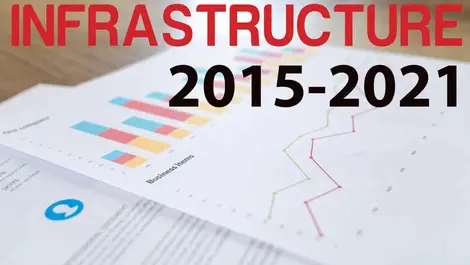
Skills shortages are forcing infrastructure firms to widen hiring, as sector leaders say diversity and inclusion are key to future growth.
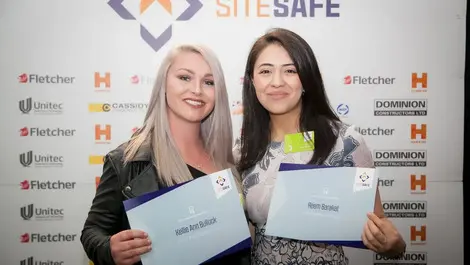
Sixteen scholarship recipients will gain a nationally recognised qualification, boosting construction safety skills across New Zealand’s workforce.
A South Island legal startup that has successfully conquered much of the South Island has been recognised by the United Nations.
Mandatory training on sexual ethics and respect has helped reshape the force’s culture and beat 93 other entries for the supreme prize.