

Superloop adds Wi-Fi 7 mesh bundle to broadband plans
Fri, 15th May 2026
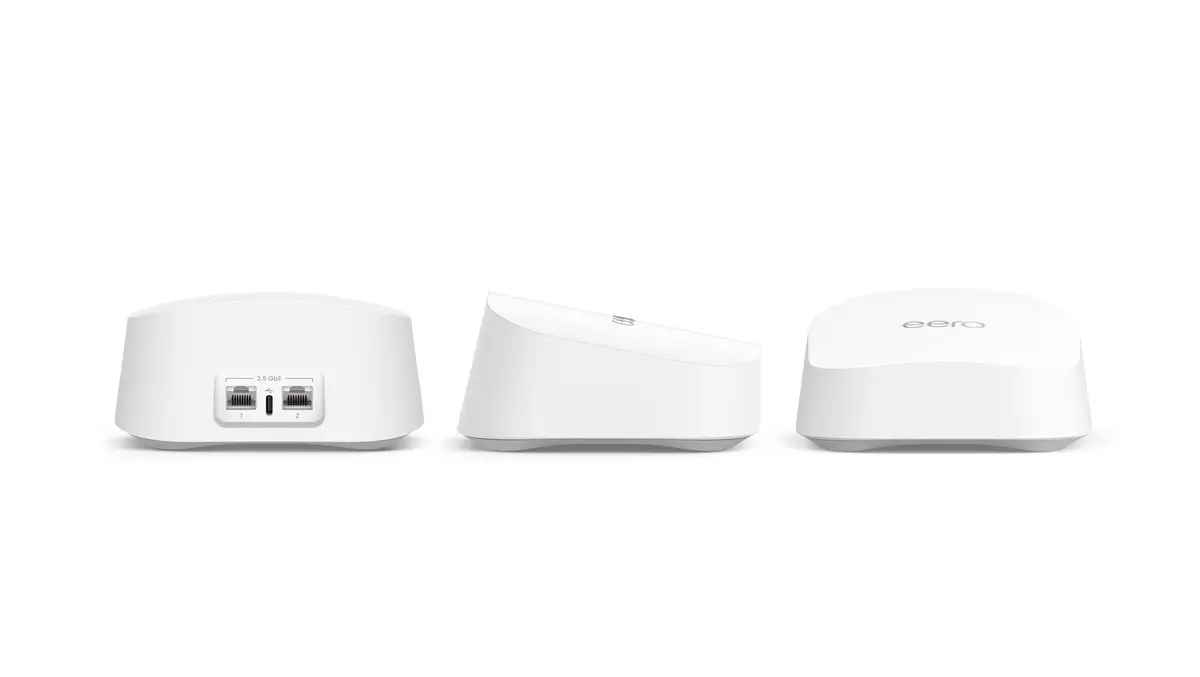
Superloop has introduced a home networking bundle that includes the eero 7 mesh system on selected broadband plans, highlighting the growing role of Wi-Fi hardware in improving real-world internet performance inside the home. Rather than focusing on raw speed alone, the setup is designed to improve coverage consistency across multiple rooms and device-heavy households.
The approach reflects a broader shift in the broadband market, where performance is increasingly defined by in-home reliability rather than just line speeds. As households add more connected devices and rely on stable connectivity for work, entertainment and study, wireless coverage has become a central part of the user experience.
The eero 7 system is built on Wi-Fi 7 technology, which is designed to handle higher throughput, lower latency and more simultaneous device connections. In practice, this means smoother performance for households streaming video, joining video calls, gaming online or running smart home devices at the same time.
Wi-fi 7 mesh
The eero 7 operates as part of a mesh networking system, where multiple units work together to create a single seamless Wi-Fi network across a home. Instead of relying on one central router, mesh systems distribute connectivity across several access points to reduce weak spots and signal drop-off.
Superloop's setup allows new customers on selected broadband technologies to receive a second eero 7 unit when purchasing eligible hardware. While framed as a hardware inclusion, the technical value lies in how mesh systems extend coverage rather than increase speed alone.
According to Superloop, a single eero 7 unit can cover up to 190 square metres under typical conditions. When two devices are used together, coverage expands to around 380 square metres, while three units can extend coverage to approximately 570 square metres.
These figures position the system as a scalable solution for different home sizes, particularly where building layouts or materials interfere with Wi-Fi signals. Multi-storey homes, long floorplans and homes with solid internal walls tend to benefit most from distributed access points.
Home coverage
The increasing importance of home coverage reflects changes in how internet services are used. A typical household now runs multiple high-demand applications simultaneously, from streaming platforms and gaming consoles to cloud-based work tools and smart home systems.
In many cases, the limiting factor is no longer internet speed from the provider, but how effectively that connection is distributed within the home. Dead zones, buffering and inconsistent signal strength are often caused by distance from the router or physical obstructions rather than network capacity.
Mesh systems address this by allowing devices to automatically connect to the nearest or strongest node as users move through the home. This reduces the need for manual network switching and helps maintain more stable performance across rooms.
The eero 7's Wi-Fi 7 standard also improves efficiency in environments with many connected devices. By better managing simultaneous connections, it reduces congestion and improves responsiveness during peak usage times.
Placement tips
Proper placement plays a key role in how effectively a mesh network performs. Superloop recommends positioning eero units approximately five to 10 metres apart in central, open areas of the home.
Placement near thick walls, large appliances or enclosed corners can reduce signal strength and limit the effectiveness of the mesh system. Open spaces and elevated positions generally help improve distribution and reduce interference.
In larger homes, positioning one unit near the primary connection point and others in central zones can help balance coverage. The goal is to ensure overlapping coverage zones without clustering devices too closely, which can lead to redundant signal overlap.
Environmental factors such as furniture layout, wall materials and floor separation can all affect performance, meaning optimal placement may vary significantly between households. Users often adjust positioning after initial setup to achieve more consistent coverage.
Broadband shift
The integration of mesh networking into broadband packages reflects a wider shift in how internet services are being packaged and delivered. Rather than competing solely on speed tiers, providers are increasingly focusing on the quality of the in-home experience.
This shift has accelerated as fibre upgrades and higher-speed plans become more widely available. As baseline speeds improve across the market, differentiation is moving toward reliability, coverage and multi-device performance.
"Adding a second unit can reduce dead spots and improve signal reach and consistency in harder-to-reach areas of the home," said Mehul Dave, Group Executive, Consumer at Superloop.
Dave said the aim is to improve everyday usability rather than simply increase technical specifications.
"This latest offer will help customers get more from their internet, delivering a better-connected experience for busy households," said Dave.
From a technical perspective, this reflects how broadband performance is now influenced as much by internal network design as by external connection speed. As homes become more digitally dense, the need for stable, distributed wireless systems is expected to continue growing.
Founded in 2014, Superloop operates across consumer, business and wholesale connectivity markets. The company runs fibre, subsea cable and fixed wireless infrastructure, supported by software systems that manage service delivery and network performance.
Its retail brands, including Superloop and Exetel, serve a large base of residential and business customers. Across the industry, similar mesh-based approaches are becoming more common as providers adapt to increasing expectations for seamless, room-to-room connectivity.
As household internet usage continues to expand, particularly with hybrid work and streaming-heavy entertainment habits, home network design is becoming a core part of broadband service value rather than an optional add-on.