

PayNuts broadens offer for SMEs as surcharging reforms loom
Tue, 21st Apr 2026%201.webp)
PayNuts has launched a refreshed brand identity and expanded its services for small and medium-sized enterprises in Australia, broadening its offer beyond its established EFTPOS business.
The Melbourne-based payments provider has introduced a fully integrated point-of-sale platform for hospitality and retail operators, alongside telecommunications and bookkeeping services delivered through external partnerships. The broader offer is designed to give merchants a single suite of services covering payments, point-of-sale, connectivity, and financial administration.
The expansion comes as Australia's payments sector adjusts to regulatory change. The Reserve Bank of Australia has outlined reforms to merchant card payment costs and surcharging that would lower interchange fee caps, increase fee transparency, and give card schemes new powers to ban surcharging.
These changes are expected to increase pressure on payment companies, acquirers and banks to show merchants what they provide in return for fees, particularly as traditional surcharge-based cost recovery faces greater scrutiny.
Founded in Melbourne in 2020, PayNuts has operated primarily as an EFTPOS provider. It now supports thousands of merchants across Australia and New Zealand and is seeking to position itself as a broader supplier of business systems and support services.
POS rollout
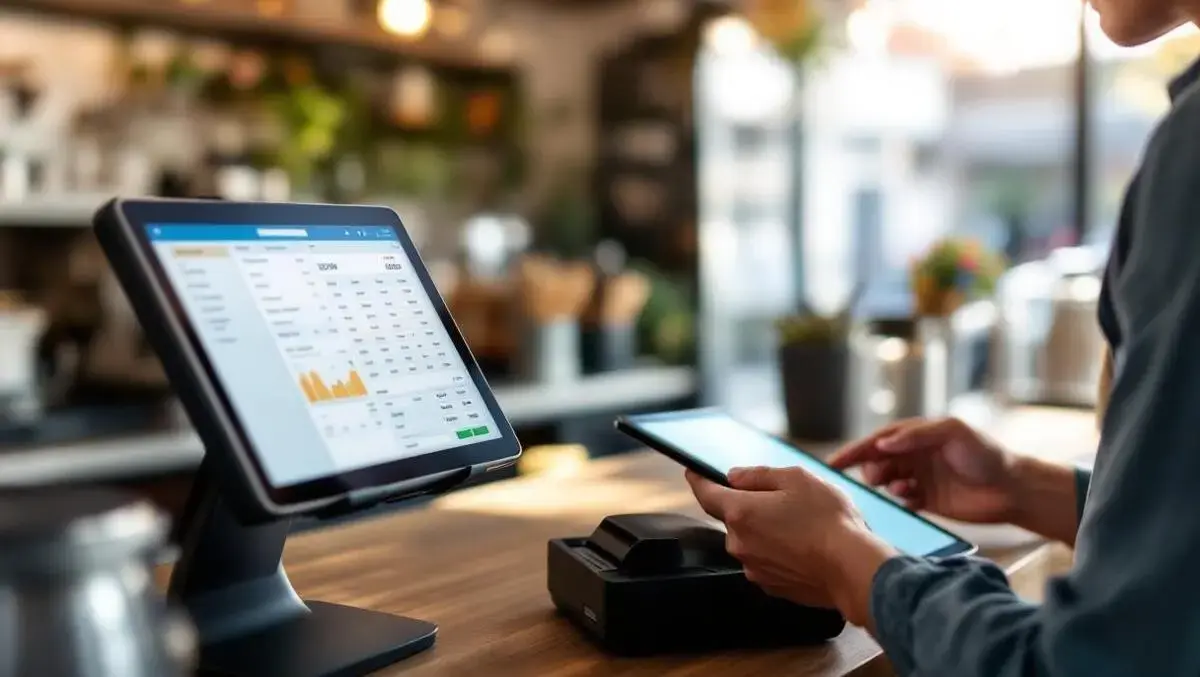
At the centre of the expansion is a point-of-sale system aimed at hospitality and retail businesses. The platform connects in-store and online payments and completed a 12-month pilot before being rolled out in multiple formats for businesses of different sizes.
The system includes real-time reporting via a mobile app, table management tools, and online and QR code ordering, all linked directly to the point of sale. PayNuts also plans to add delivery app links for hospitality venues and appointment booking tools for health and beauty businesses.
By controlling both the payments and point-of-sale elements, PayNuts says it can manage the integration directly rather than relying on separate providers. The model is becoming more common in the small-business market as merchants look to reduce the number of technology suppliers they use across ordering, transactions, and back-office processes.
Wider services
Alongside the point-of-sale launch, PayNuts is adding business broadband and bookkeeping through partnerships with More Telecom and More Bookkeeping. Under the arrangement, merchants can access nbn services from More Telecom, while More Bookkeeping will provide financial management support.
The addition of third-party services shows how payment providers are trying to build broader relationships with merchants beyond card acceptance. For smaller businesses, bundling services such as connectivity, payments and financial administration can reduce the number of separate supplier contracts and systems they need to manage.
PayNuts has linked its repositioning directly to changes in the payments market and the needs of smaller firms operating in a tougher environment."
"As surcharging is phased out, the responsibility will increasingly fall on payment service providers, acquirers and banks to deliver genuine value to merchants," said Geoff Branson, Co-founder and Managing Director of PayNuts.
"The critical question is how the industry ensures that value flows through to small and medium-sized businesses. That's the problem we're focused on solving at PayNuts."
The updated branding is intended to reflect that broader commercial focus. While the firm remains rooted in payments, it is now presenting itself as a technology-led business serving operational needs across several functions.
That shift mirrors a wider trend across financial technology, where providers that began with a single product line are trying to increase revenue per customer by selling adjacent services. In the small-business market, those services often include software, communications, payroll, accounting support, and lending.
For PayNuts, the challenge will be to convert its existing merchant base into users of a broader range of products while competing with banks, payment processors and specialist software suppliers targeting the same customer group.
Branson said the company's strategy is to build a connected offer around the needs of smaller businesses.
"We're not just a payments company anymore. We're evolving into a technology business built to serve Australia's SMEs with a connected ecosystem of products that complement each other, from payments and POS to nbn and financial tools. We want to be the partner that helps small businesses grow, adapt and succeed," Branson said.
"This is especially important as the global economic landscape is constantly shifting, and Australian businesses now, more than ever, need access to services that can scale and wrap around their own unique needs."