Hazardous materials & substances stories
Preventable asbestos disease still kills about 220 people a year, prompting WorkSafe to warn tradies and businesses after fresh prosecutions.
Recent rail incidents have heightened calls for clearer US rules and closer industry-government cooperation on hazardous materials safety.
A nationwide ban could soon hit Australian worksites after regulators warned the stone is linked to silicosis in younger workers.
Suppliers must now verify competent persons in writing before selling certain hazardous chemicals, as regulators step up compliance checks.
WorkSafe says the deception meant Aimex’s earlier sentencing lacked full context after a near-identical exposure a week before was concealed.
Businesses face fines of up to GBP £3,000 as regulators consult on new penalties for lower-level hazardous substances breaches.
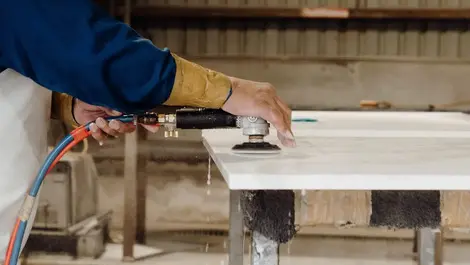
Customers could face higher prices as New Zealand’s only national stone fabricator drops engineered stone with more than 40 percent silica.
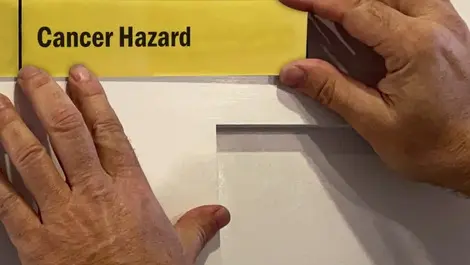
WorkSafe says exposure to cancer-causing agents remains widespread, with 57.5% of workers probably affected, raising work-related death risks.
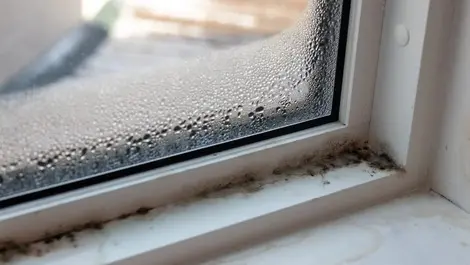
Water-damaged homes can expose residents to spores that trigger asthma, respiratory infections and other health problems.
Worksites remain vulnerable to falls, electrocution and fire, with the risk of serious injury or death still high without strict controls.
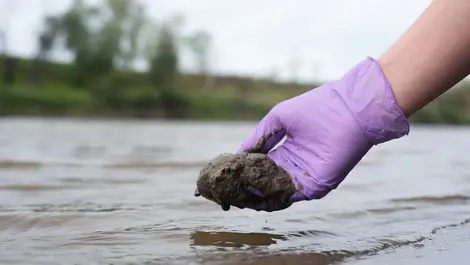
Workers face contamination risks from flood silt, with WorkSafe warning of germs, chemicals and asbestos during clean-up.
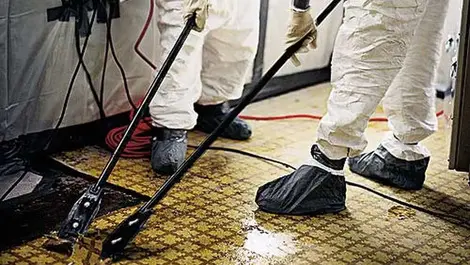
A Christchurch flooring job ended in court after asbestos-tainted vinyl was handled unsafely, triggering fines and fresh warnings.
Industry-backed codes are seen as the quickest fix for WorkSafe NZ’s stretched oversight of chemical safety, amid a widening funding gap.
Poor handling of asbestos remains a deadly threat in ageing buildings, with WorkSafe warning around 220 New Zealanders die each year.
Businesses retrofitting flammable hydrocarbon refrigerants into existing cooling systems face a heightened fire and explosion risk, WorkSafe says.
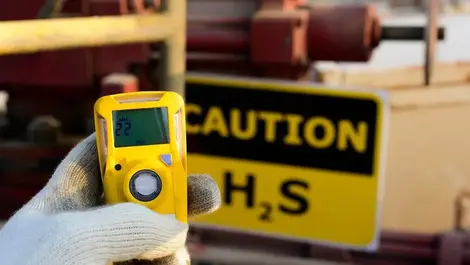
Workers can be killed within minutes if toxic hydrogen sulphide builds up in confined or poorly ventilated spaces, WorkSafe warns.
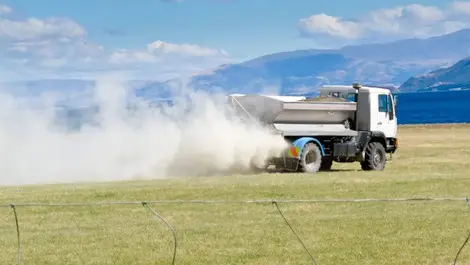
A Bay of Plenty lime spreader has been fined after dust blown on to a motorway sparked a fatal multi-vehicle crash and killed Susan Walmsley.
A judge has called the site a fatal gas chamber after a worker died from hydrogen sulphide exposure, and the firm was fined and ordered to pay reparations.
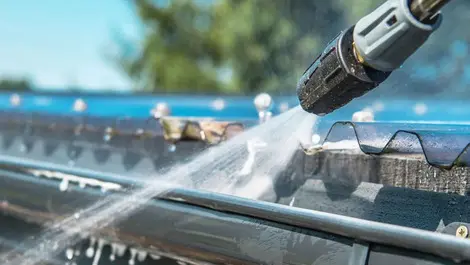
Contractors risk prosecution and hefty fines if high-pressure water blasting disturbs asbestos on roofs or cladding in New Zealand.
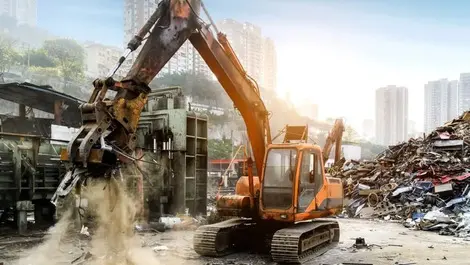
Construction waste is harder to recycle than most rubbish because asbestos and other pollutants must be stripped out first.