Computer vision stories
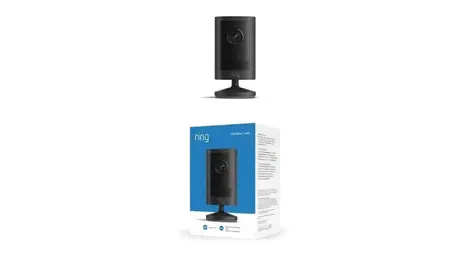
Home and small business buyers get more installation and coverage options, with Ring pricing its latest 2K models at AUD $179 and AUD $109.
Robotaxi service could be viable in Australia within 24 months if operators win approvals and prove the vehicles can handle local roads safely.
The new range lets organisations run AI agents on local hardware or in-house servers, cutting reliance on cloud services for sensitive tasks.
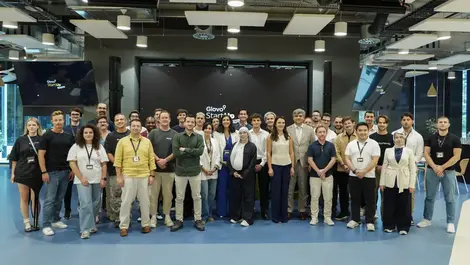
That alumni network has become a source of investor interest, after former Glovo staff were linked to 35 startups valued at €461 million.
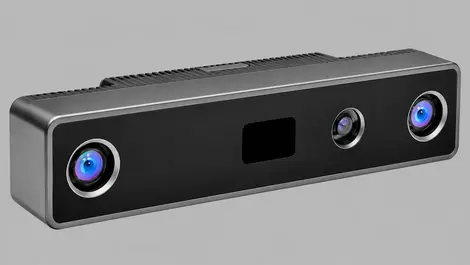
Warehouse and factory robots may gain better obstacle detection as e-con Systems' NetraVis promises 1% depth precision in changing light.
The recognition underlines how a virtual model is helping Denmark's capital region avoid sterilised instrument delays that could disrupt 1,000 surgeries a day.
The system could cut robot retraining from hours to minutes in factories where layouts and product lines change often.
The market's rapid expansion is fuelling privacy and cost concerns as display-less models make up 96% of shipments and Meta holds 94%.
Factories and warehouses could see safer robot interactions as the system reads human posture and movement in real time on embedded hardware.
Retailers facing costly store-system upgrades may see faster deployments as the tie-up aims to reduce risk before point-of-sale roll-outs begin.
Integrated systems can help preschool staff spot risks sooner, control access and protect children's privacy without slowing daily routines.
Connected coolers are becoming a source of live market data, helping brands cut costs, improve safety and boost compliance across fleets.
Customer frustration is rising as 55% of shoppers say shops lack full visibility across their premises, risking abandoned sales and lost loyalty.
Britain's defence AI sector is drawing fresh capital as Applied AGI plans to hire engineers and expand computing capacity after a £3 million round.
Fresh funding will help Applied AGI expand its engineering team and commercial reach as demand rises for secure defence AI tools.
Researchers at universities in Singapore, the US and Asia will gain access to real-world multimodal data for embodied AI and robotics studies.
Wider adoption in Canada is being held back by slower digital maturity, even as firms push spatial AI into hospitals, factories and defence sites.
Buyers could face fewer post-settlement surprises as drones, thermal cameras and LiDAR expose hidden defects in New Zealand homes.
The deal gives AMD deeper access to spatial-intelligence research as chipmakers race to align hardware with fast-changing AI workloads.
The Halifax startup will use the new capital to finish a proof of concept that aims to turn existing camera networks into AI security tools.