Circular economy stories
Support is growing for a proposed GBP £570 million Kaipara incinerator that could burn Auckland and Northland rubbish and power 165,000 homes by 2028.
The directive could lift demand for local fleece, but it may also let cheaper overseas wool undercut New Zealand farmers.
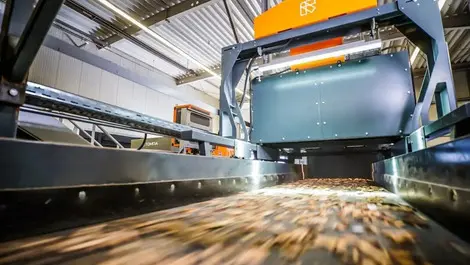
Deep learning could recover hard-to-detect materials, lift recyclate quality and cut landfill use as Europe tightens recycled-content rules.
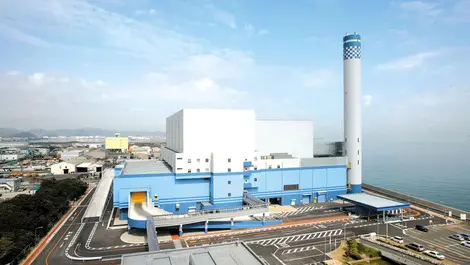
Japan’s strict landfill rules and dense cities have made gasification viable, while similar waste-to-energy schemes remain rare elsewhere.
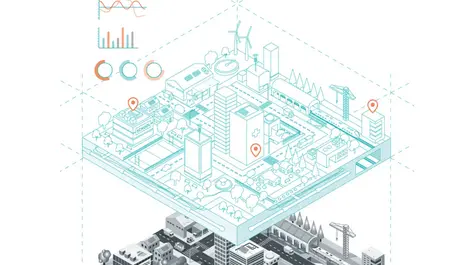
In civil construction, the concept hinges on system boundaries, with finite resources, waste and carbon shaping whether projects can endure.
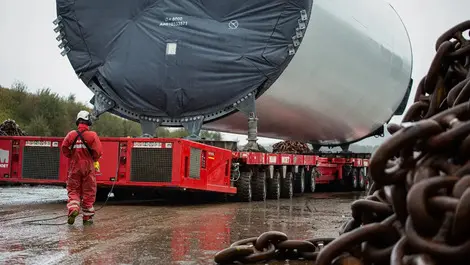
Retrofitting heavy hauliers to run on electricity could cut noise and emissions on bridge, wind and power projects worldwide.
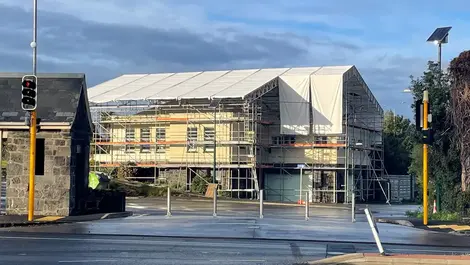
The council will reuse a fabric rail system on the Waiōrea Community Recycling Centre roof, avoiding single-use plastic during remedial works.
Civil contractors warn the next emissions plan could slow vital infrastructure delivery unless it backs proven low-carbon options and recycling.
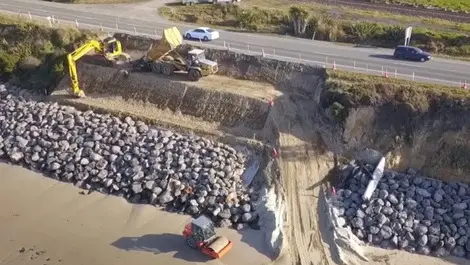
The new paths should help Wellington residents travel more easily while diverting waste concrete and asphalt from landfill.
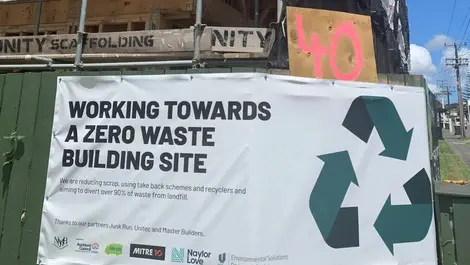
An Auckland build has diverted 91% of debris from landfill, showing builders can cut waste sharply with sorting and recycling.
Wellington’s climate strategy has put it among 280 cities worldwide shortlisted by WWF, with results due later in July.
Businesses using landfill sites face higher disposal bills from 1 July as New Zealand widens its waste levy and reporting rules.
Battery makers face a supply squeeze as Stora Enso develops tree-based anodes that could cut reliance on graphite and lithium imports.
The new Auckland facility could cut New Zealand construction emissions by about 78,000 tonnes of CO2 a year, Holcim says.
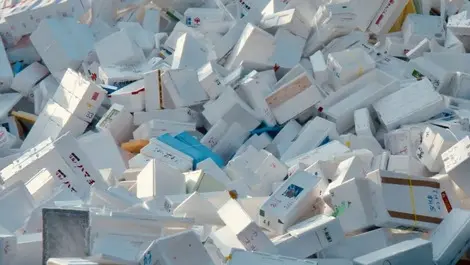
Contaminated waste has long made the plastic hard to handle, but new chemical recycling plants are turning post-use polystyrene back into feedstock.
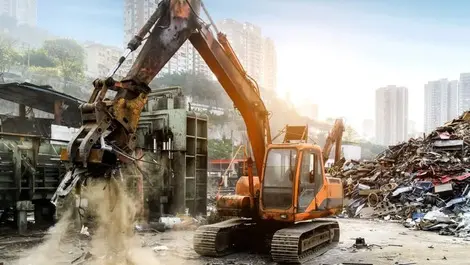
Recycling rates could rise as new sorting and shredding systems help construction waste avoid landfill and recover more valuable materials.
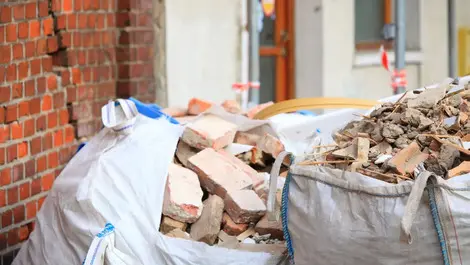
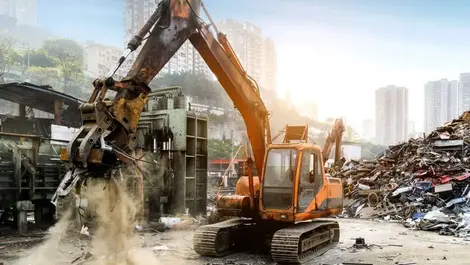
Construction waste is harder to recycle than most rubbish because asbestos and other pollutants must be stripped out first.
Greater use of mass timber in New Zealand buildings is set to get a boost, after the Timber Design Centre named Dr Robert Finch as director.
Local and central government backing will decide whether New Zealand's 30-year infrastructure strategy turns recommendations into real projects.
A Canterbury student’s low-cost wall panel could help cut the building sector’s emissions, with seaweed replacing traditional gypsum in plasterboard.