Burnout stories
Australia's Right to Disconnect bill comes into effect, aiming to protect work-life balance by allowing employees to disengage from work communications outside official hours.
Slack's latest Workforce Index reveals that 95% of Australian employees distrust AI, and 71% report monthly burnout. Despite this, AI usage is up 6% since January.
New research by people2people Recruitment reveals that over half of employees feel pressure to work digitally outside regular hours, a trend that threatens work-life balance.
A new report reveals 81% of APAC businesses view cross-sector collaboration as crucial against fraud, but competitive desires impede wider participation.
A new study from Insightful reveals a startling epidemic of lost focus among workers, with 92% of employers deeming it a major workplace issue.
UK employees seek AI for efficiency but face hurdles, says Coveo. 42% find AI beneficial, yet concerns over tools and policies persist, impacting trust and effectiveness.
SAP Concur's survey reveals key business travel challenges for 2024 include disruption, safety, sustainability, and unequal opportunities.
UiPath's Global Knowledge Worker Survey reveals that only 47% of UK businesses are utilising GenAI tools. Meanwhile, 28% of workers are experiencing burnout, highlighting a need for better AI training and support.
Despite growing emphasis on AI, only 47% of UK workers utilise generative AI tools at work, with uneven adoption and significant trust issues, a UiPath survey reveals.
Jellyfish's 2024 State of Engineering Management Report reveals engineers now seen as strategic partners, with 90% influencing business strategy.
Nearly half of UK lawyers favour self-regulation for AI in the legal industry, with 48% of firm lawyers and 50% of in-house lawyers advocating against government intervention, per Thomson Reuters.
Research reveals an 8% rise in sick leave within the professional, scientific and technical activities industry in 2023, according to Access PeopleHR.
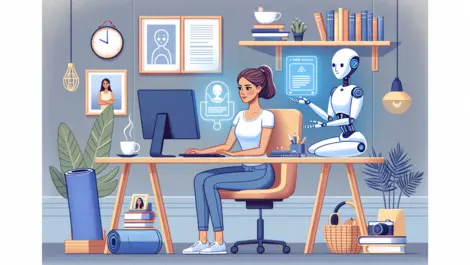
Artificial Intelligence (AI) could tackle female workplace challenges like burnout, and lack of professional development, according to Microsoft NZ's Emma Barrett.
Amid a growing need for work-life balance, female leaders in fintech are ushering in a new approach, centred on harmony and flexibility, leading to more sustainable, inclusive, and creative workplaces.
'Change fatigue', a risk to employee performance, is on the rise amongst finance staff, warns global research firm Gartner, emphasising disruptions over volume as the primary cause.
Amid softer overall sentiment, 94% of construction and manufacturing SMEs expect the next year to be better, research commissioned by Prospa shows.
Workhuman's latest Human Workplace Index reveals UK remote workers are 65% more prone to productivity anxiety, despite reporting higher efficiency.
One third of Singapore's workforce predicts a four-day work week to be standard by 2029, according to a recent survey.
Ahead of IWD 2024, addressing gender disparity in Web3 is essential, with 94% of crypto executive roles held by men and the gender pay gap in the UK financial sector at 23.3%.
Despite highest recorded representation at C-suite, efforts fall short at the middle management level, exposing need for an enduring and equitable diversity inclusion and belonging leadership pipeline.